
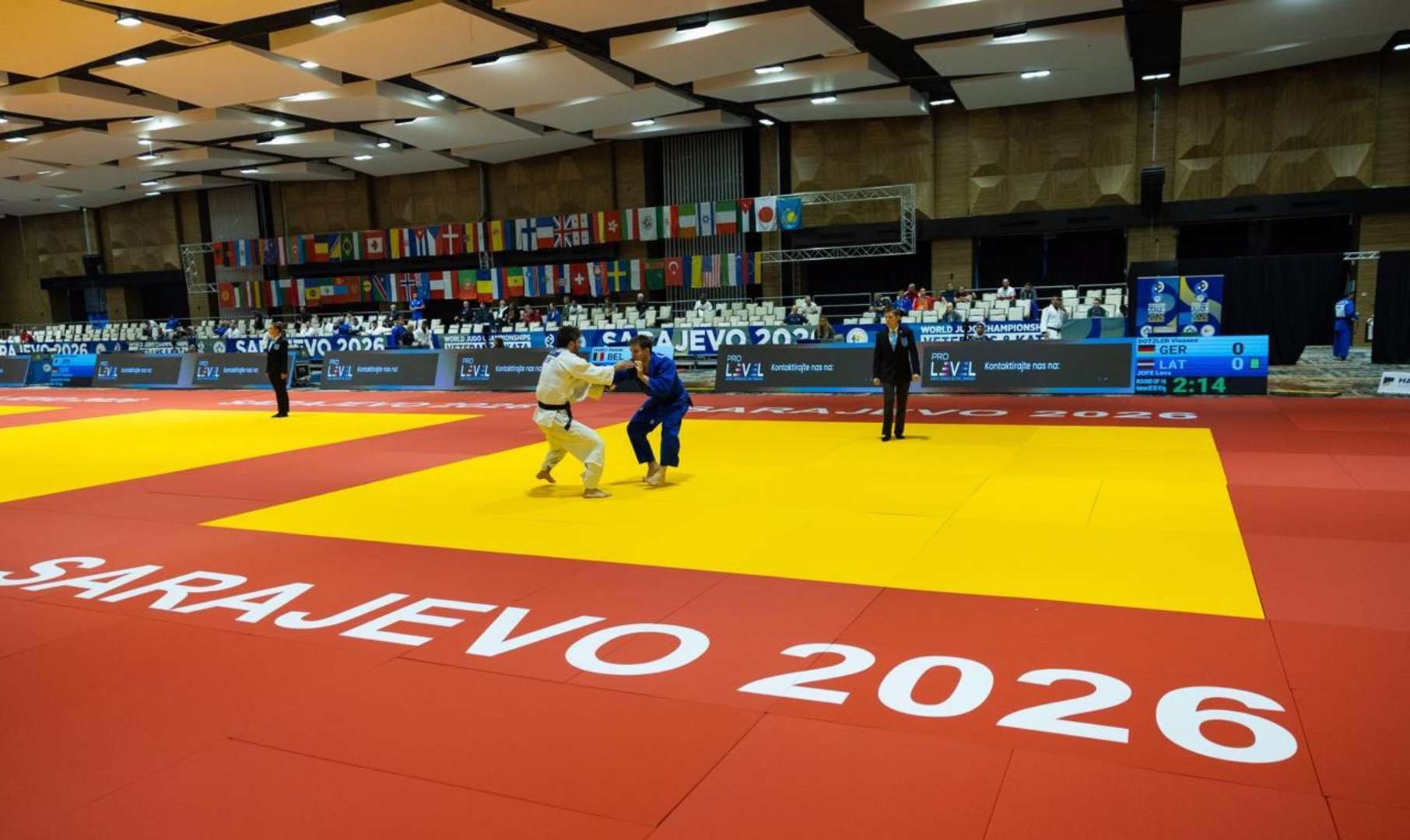
The veterans competing in Bosnia and Herzegovina have returned for many reasons. There is the desire to perform, the excitement of competition, the adrenaline to step on to the world stage and the satisfaction of preparing for a demanding personal goal. There is also the pleasure of meeting friends and opponents from around the world, some known for years, even decades. For many, this event has become a rare and precious annual reunion, where old rivalries are revived with respect and new connections are made over a shared love of judo.
However, the veteran community is also one of the essential forces that keeps judo moving every day. For much of the year, many of the judoka now competing in Sarajevo stand at the edge of the tatami rather than in its centre. They are coaches opening their dojos in the evening after work, club instructors helping children take their first falls, referees ensuring that competitions are conducted fairly, organisers preparing events, volunteers welcoming families and teammates as they all encourage the next generation.
Some have known the highest level of international competition. Others have built their judo journey through local clubs and regional events. Their paths may be different but their contribution is the same: they make judo live, grow and remain accessible in communities around the world.
In Sarajevo, they have the opportunity to step back into the centre of the tatami. They are no longer only the coach, the referee, the club president or the parent supporting from the stands. They are competitors again, facing the same anticipation before the opening hajime as was always there, the same physical and mental challenge and the same hope of producing their best judo.
This is one of the great strengths of veteran competitions. It recognises that judo does not belong to one age group or to one level of performance. The categories provide a fair framework for competition but the spirit remains universal. The desire to learn, to progress and to face a challenge does not disappear with time; it evolves!
Judo was founded on principles that extend beyond the contest itself. Jita Kyoei, mutual welfare and benefit, is visible throughout the veteran community. It can be found in the coach who shares experiences with a beginner, in the former competitor who returns to support a club, and in the respectful exchange between two opponents after a challenging contest.
The Sarajevo World Judo Championships Veterans therefore offers more than a succession of results. It is a celebration of a community that carries the memory of judo while helping to shape its future. Every judoka competing here brings a personal story but together they send a powerful message to the younger generations: judo can remain a source of challenge, friendship, purpose and enjoyment throughout a lifetime.